One Dental crown is a prosthesis that completely covers a damaged tooth to restore its function and appearance. This solution makes it possible to save severely damaged teeth while regaining a natural smile.
What is a dental crown?
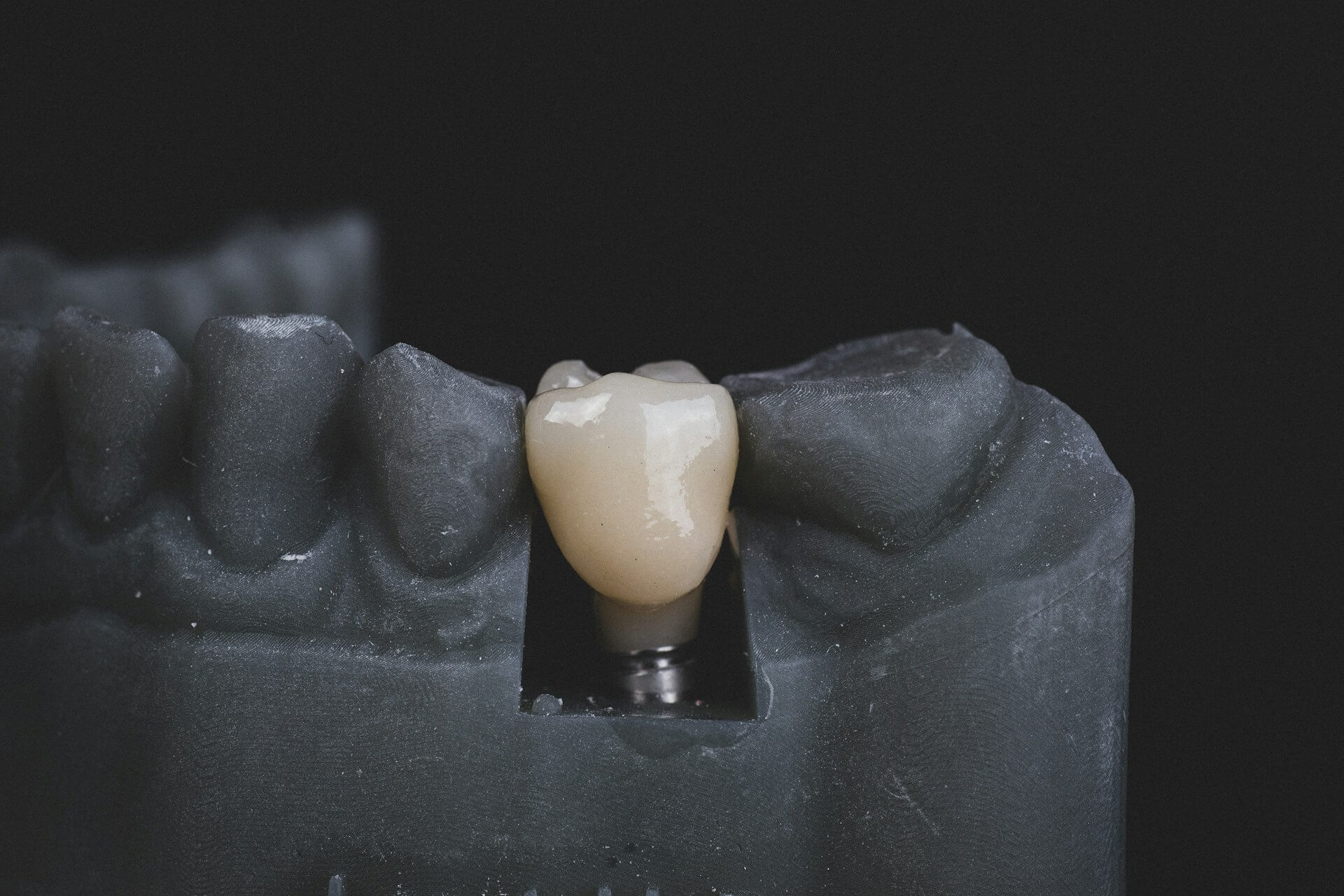
A dental crown is a “fixed” dental prosthesis, It is a protective “shell” that completely covers a damaged tooth. Unlike fillings and inlay/onlay which only fill a hole, a crown encompasses the entire visible part of the tooth.
What is the purpose of a dental crown?
The dental crown has four essential functions:
- Protection : strengthens a tooth weakened by major caries or root canal treatment
- Catering : restores the shape and normal masticatory function of the tooth
- Aesthetics : improves the appearance by hiding discolorations and defects
- Support : used as an anchor for a dental bridge
Composition of a dental crown
A wreath consists of several components:
- The frame : basic structure in metal, zirconia or ceramic
- The aesthetic coating : outer layer that imitates natural enamel
- Sealing cement : medical glue that attaches the crown to the tooth
In what cases is a dental crown installed?
Recommendations for dental crowns
A dental crown is a solution adapted to these situations:
- Very damaged tooth : major caries that destroyed more than 50% of the tooth
- Devitalized tooth : after root canal treatment, to avoid fractures
- Dental fracture : major break in the natural crown
- Cosmetic defect : very discolored or malformed tooth
- Bridge stand : to replace a missing tooth
Contraindications of dental crowns
Wreaths are not recommended if:
- The root of the tooth is too short or fragile
- Gum disease is not treated
- The patient is very young (teeth still growing)
Types of dental crowns: pros and cons
The choice of material determines aesthetics, strength and the price of the crown.
The metal-ceramic dental crown
Composition : metal frame covered with ceramic
Benefits :
- Very resistant, ideal for molars
- Moderate price
- Long lifespan (10-15 years)
Disadvantages :
- Possible gray border at the level of the gums
- Less natural aesthetics
- May cause allergies (rare)
The ceramic dental crown (zirconia)
Composition : 100% ceramic, metal-free
Benefits :
- Excellent aesthetic, very natural
- Biocompatible (no allergy)
- Very durable
- No metallic border
Disadvantages :
- More expensive than metal-ceramic
- Requires minimum thickness (greater preparation)
The lithium disilicate dental crown (E-max)
Composition : ultra-translucent ceramic
Benefits :
- Exceptional aesthetic result
- Perfect for front teeth
- Fine thickness possible
- Very stain-resistant
Disadvantages :
- High price
- Less adapted to strong masticatory stresses
- More delicate installation technique
The temporary resin dental crown
Composition : composite resin
Benefits :
- Very affordable price
- Quick installation
- Easily repairable
Disadvantages :
- Limited lifespan (6-12 months maximum)
- Average aesthetics
- Colours easily
Comparative table of the types of dental crowns
How do I choose the right type of dental crown?
The choice depends on several criteria:
According to the position of the tooth
- Front teeth : favor zirconia or E-max for aesthetics
- Back teeth : metal-ceramic is perfect
- Premolars : all materials are possible according to the patient's priorities
According to priorities
- Tight budget : metal-ceramic
- Maximum aesthetics : zirconia or E-max
- Maximum resistance : zirconia
- Temporary solution : resin
According to lifestyle
- Teeth grinding : zirconia recommended
- Frequent hard feeding : avoid resin
- Metal allergies : choose pure ceramic
How does the installation of a dental crown take place?
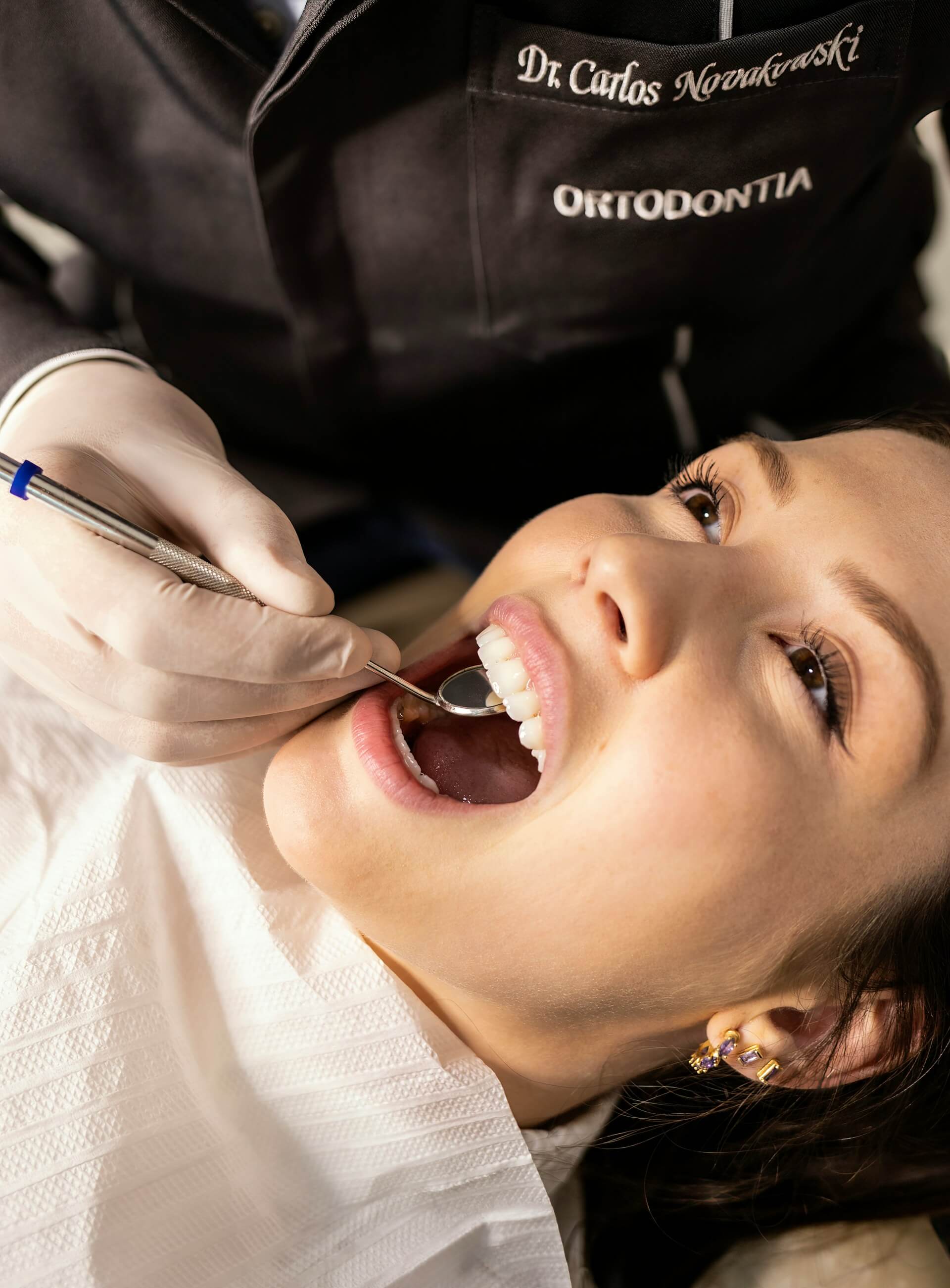
The procedure for placing a dental crown is generally done in 2 to 3 appointments.
1st appointment: preparation and dental impression
Duration : 1h to 1h30
- Local anesthesia for patient comfort
- Preparing the tooth : cutting to make room for the crown
- Impression taking digital or traditional
- Installation of a temporary crown In resin
- Choice of shade with a color chart
Your dental prosthesis laboratory is then responsible for manufacturing the crown, in accordance with your impression taking and your instructions.
2nd appointment: try on
Duration : 30 to 45 minutes
- Removing the temporary crown
- Trying on the definitive crown
- Checks : adjustment, occlusion, aesthetics
- Retouches If required
- Validation before final installation
3rd appointment: final pose
Duration : 30 to 45 minutes
- Cleaning Of the prepared tooth
- Preparing the crown (surface treatment)
- Definitive collage with specialized cement
- Final checks : occlusion, comfort
- Care tips
What is the price and reimbursement for a dental crown?
Average rates in France (2025)
Reimbursement and support
Social Security : reimburse 70% of €107.50 = €75.25
Mutual : complete according to the patient's contract (generally 100 to 300% of the base)
100% Health : some crowns are fully reimbursed thanks to this system proposed by the French State:
- Metallic crowns: all teeth
- Metal-ceramic crowns: visible teeth (incisors to premolars)
Tips for reducing costs
- Verify the patient's eligibility for the 100% Health device
- Compare quotes from several practitioners
- Negotiate a payment plan
- Consider dental tourism (with care)
Pain and post-operative consequences
During installation
Thanks to local anesthesia, the placement of a dental crown is painless. Your patients only feel the pressure of the instruments.
After the installation
The first few days :
- Mild sensitivity to hot/cold (normal)
- Masticatory discomfort: time to get used to it
- Possible temporary gum inflammation
Duration : these inconveniences disappear in a maximum of 3-7 days.
When should you be worried?
If patients experience certain pains, it is necessary to consult again quickly:
- Persistent severe pain after 1 week
- Significant swelling of the gums
- Inability to close your mouth normally
- Crown that moves or peels off
What is the lifespan of a dental crown?
This duration depends on hygiene, eating habits and the frequency of checks.
Daily hygiene
- Brushing : 2 times a day with a soft brush
- Dental floss : daily transition, especially in terms of margins
- Mouthwash : antiseptic 2-3 times a week
- Avoid : crunching very hard foods, ice cubes, hard candies
Regular checks
- Dental visit : every 6 months minimum
- Descaling : 1 to 2 times per year
- X-rays : control of the state of the root
Average lifespan
- Metallo-ceramic : 10-15 years
- Zirconia : 15-20 years
- E-max : 10-15 years
- Resin : 6-12 months
What are the possible complications following the installation of a dental crown?
Frequent problems
Secondary caries : caries formation under the crown
- Cause : poor tightness or insufficient hygiene
- Solution : removal and replacement of the crown
Detachment : crown that peels off
- Cause : cement wear, trauma
- Solution : gluing possible if the crown is intact
Fracture : crown break
- Cause : shock, Bruxism, tired material
- Solution : mandatory replacement
Rarer problems
Chronic gum inflammation : permanently swollen gums
- Cause : poorly adjusted crown
- Solution : recovery of the crown
Pulp necrosis : death of the nerve of the tooth
- Cause : too aggressive preparation
- Solution : root canal treatment then new crown
What can you expect after a dental crown has been installed?
Aesthetic results
Immediately after installation :
- Tooth of normal shape and color
- Harmonious integration into the smile
- Smooth and shiny finishes
After a few weeks :
- Perfect gingival adaptation
- Color stabilized
- Optimal chewing comfort
Evolution over time
Years 1-5 : crown like new with good maintenance
Years 5-10 : possible slight wear, stable color
Years 10-15 : normal wear and tear, possible replacement to be expected
Years 15+ : end of life for most crowns
What are the alternatives to a dental crown?
Inlay/Onlay dental prosthesis
Principle : partial restoration glued to a part of the tooth
Benefits :
- Maintains more healthy tooth tissue
- Less invasive
- Excellent aesthetic result
Disadvantages :
- Not suitable for very damaged teeth
- More fragile than a crown
- More delicate technique
The dental veneer
Principle : thin film stuck to the visible side of the tooth
Benefits :
- Minimal preparation
- Outstanding aesthetic result
- Maximum tooth preservation
Disadvantages :
- Purely aesthetic use
- High price
- Fragile to shocks
Dental implants
Principle : complete tooth replacement (root + crown)
Benefits :
- Preserves adjacent teeth
- Definitive solution
- Very durable
Disadvantages :
- Requires tooth extraction
- Surgical intervention
- Very high price
- Long processing time
FAQ: Common questions about dental crowns
Can you eat normally with a dental crown?
Yes, after the adaptation period (a few days), the patient can eat normally. You just have to avoid very hard foods that could damage the crown.
Do you have to devitalize the tooth before installing a dental crown?
No, not always. Devitalization is only necessary if:
- The tooth has a very deep cavity
- The nerve is already infected
- Preparation requires extensive trimming.
Can a dental crown fall off?
Yes, but that's rare with modern techniques. This can happen in case of:
- Normal wear and tear of cement after several years
- Significant trauma
- Caries under the crown
- Initial installation defect
Does the dental crown change color?
Ceramic crowns do not change color. Only resin crowns can color over time. However, natural teeth can also change, creating a difference in color.
Can you whiten a dental crown?
No, crowns do not react to bleaching products. If the patient does not want to whiten his teeth, it must be done before applying the crown to harmonize the shades.
Does a dental crown hurt?
The pose itself is painless thanks to anesthesia. Mild sensitivity is normal for the first few days. Persistent pain is not normal and requires consultation.
How long does a dental crown last?
On average 10 to 15 years, sometimes longer with excellent maintenance. The duration depends on:
- Of the material chosen
- Oral hygiene
- Eating habits
- The quality of the installation
What should I do if there is a problem with my dental crown?
You need to consult quickly to:
- Persistent pain
- Crown that moves
- Localized bad breath
- Swelling of the gums
- Change in occlusion
Conclusions on the dental crown
Dental crowns are a reliable and durable solution for restoring damaged teeth. Technological advances offer exceptional aesthetic results, especially with ceramic crowns.
The choice of material must be made in consultation with the patient, taking into account his specific needs, his budget and the location of the tooth. With rigorous maintenance and regular checks, the crown will accompany him for many years.
Do not hesitate to contact your H32 Dental laboratory so that we can support you in the best choice and obtain the optimal result for your patients.

%20(1).jpg)
