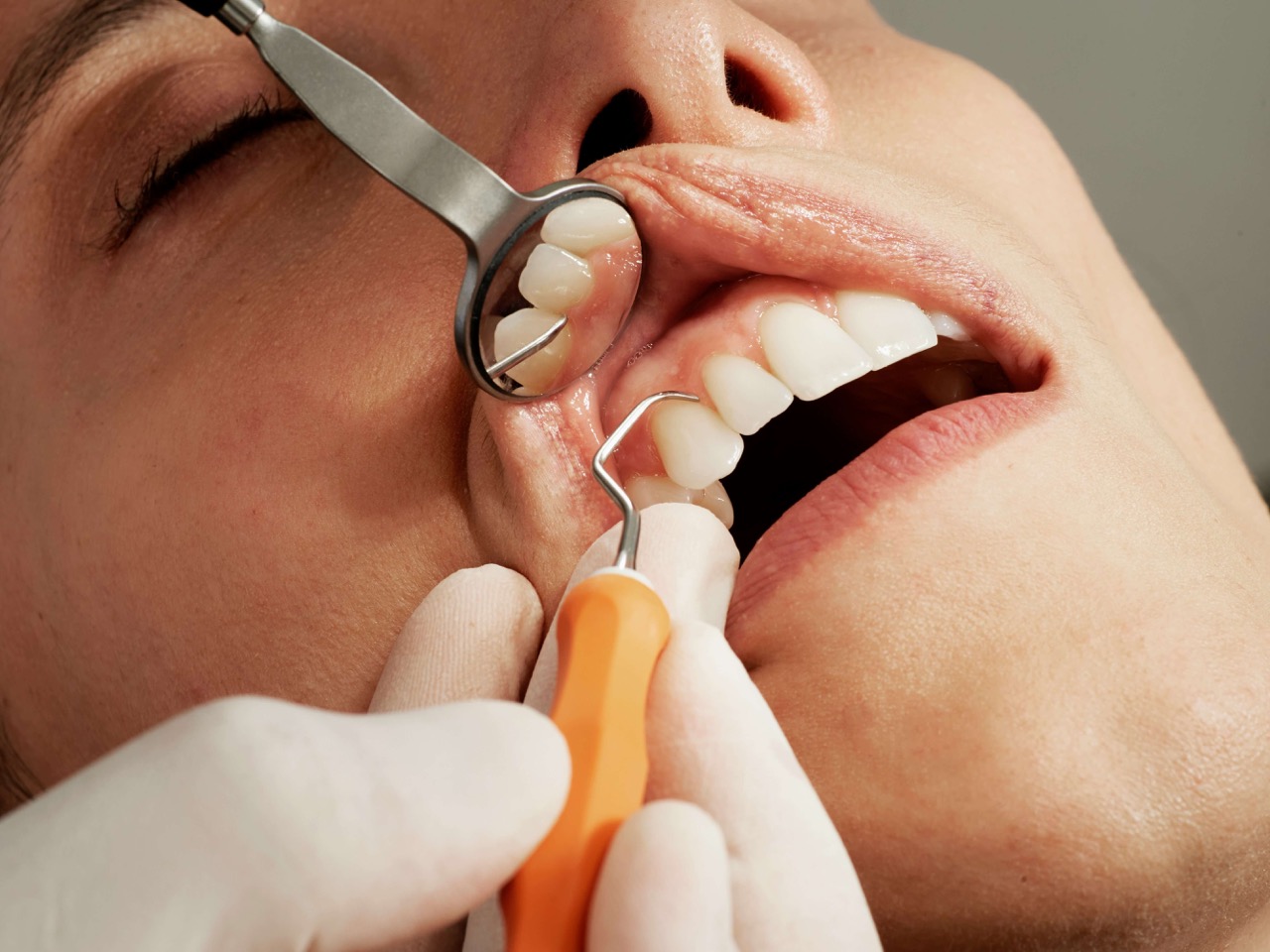
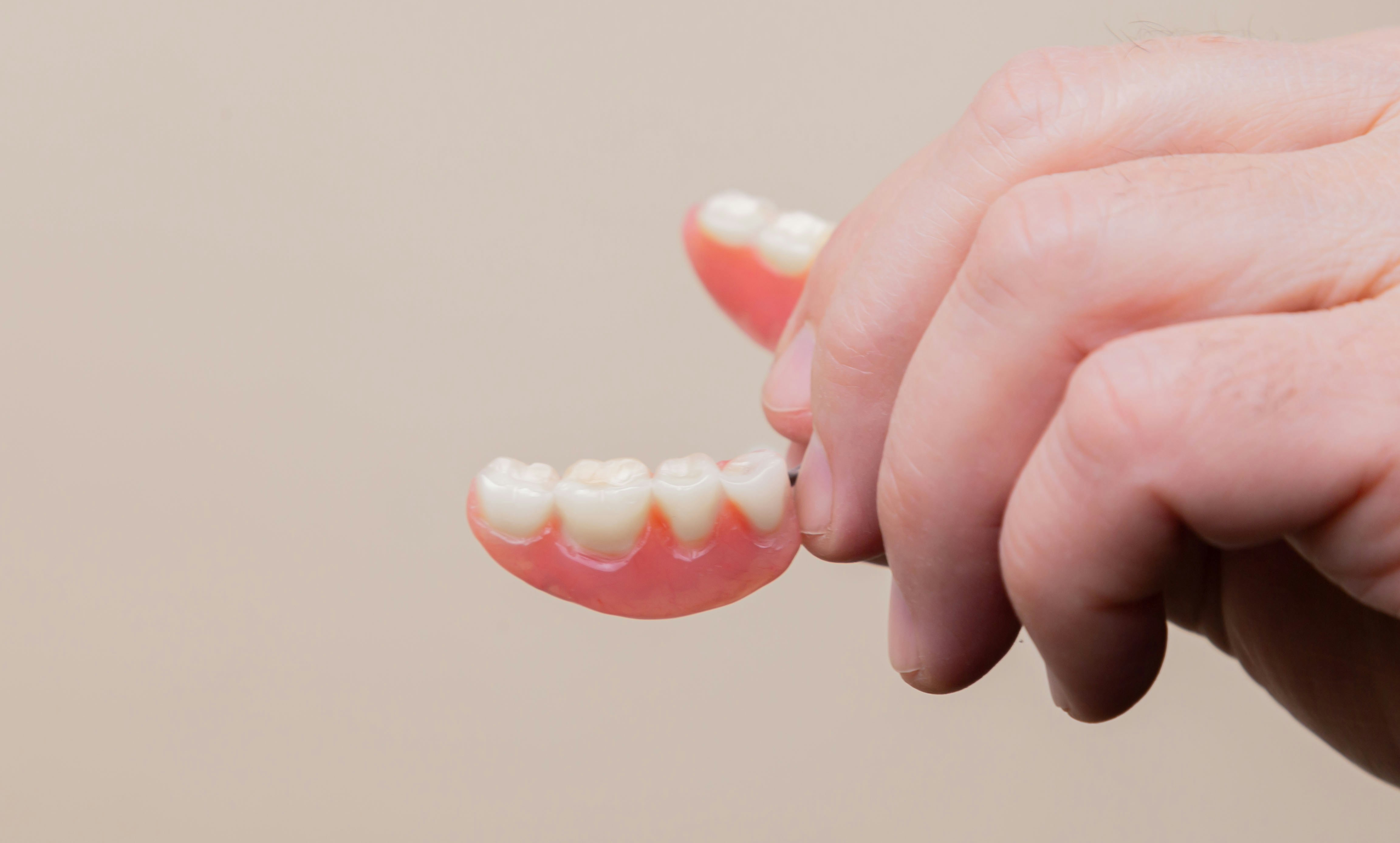
What is a removable dental prosthesis?
One removable dental prosthesis Is a medical device that the patient can remove and put back on himself to replace one or more missing teeth. It differs from fixed solutions (bridges, crowns on implants) by its mobility and its retention system based on hooks, attachments or suction effect.
Partial prosthesis vs complete prosthesis: what is the difference?
Removable Partial Prosthesis (PPA) : replaces a few missing teeth by relying on the remaining teeth and the gum. It maintains the space between the teeth and restores masticatory function.
Removable Complete Prosthesis (PAC) : also called “dentures”, it replaces all the teeth in an arch (upper and/or lower) by relying exclusively on the mucous membranes and the underlying bone.
This guide is for dental professionals (dentists, center coordinators, prosthetists) who seek to control the panorama of available options, selection criteria, clinical protocols and pricing communication with patients.
Optimize your prosthetic chain with H32 Dental digital solutions: intraoral scanners, integrated laboratory flow and technical support.
What are the types of removable dentures?
Removable partial dentures (PPA): 4 main options
1. Stelite (cobalt-chrome metal frame)
Composition : rigid metal frame with forged hooks, resin base and artificial teeth.
Benefits :
- Maximum stability and rigidity
- Occlusal precision
- Longevity (8-12 years)
- Easy repairs and additions
Indications : extensive bilateral edentulas, need for rigid support, complex occlusion.
2. Partial acrylic resin prosthesis
Composition : base entirely in polymer resin (PMMA), metal wire hooks.
Benefits :
- Light and economical
- Simple edits and rebases
- Ideal as a temporary solution
Indications : temporary prostheses, predictable dental developments, tight budgets.
3. Flexible prosthesis (Valplast, polyamide)
Composition : thermoplastic polyamide resin, gum-colored tinted hooks integrated into the base.
Benefits :
- Invisible aesthetics (gum-colored hooks)
- Comfort and lightness
- Hypoallergenic (metal free)
Indications : limited anterior edentations (1-4 teeth), high aesthetic requirements, metal allergies.
Limits : reduced stability on extended frames, complex repairs, specific maintenance.
4. Prosthesis on attachments (telescopic, locators)
Composition : telescopic crowns or locator attachments fixed to abutment teeth or implants.
Benefits :
- Total invisibility (no visible brackets)
- Superior retention
- Optimal stability
Indications : edentals with solid pillars, demanding patients, combination with implants.
Limits : high cost, maintenance of the attachments, preparation of the pillars necessary.
Removable complete prostheses (PAC): 3 configurations
1. PAC conventional resin
Standard : acrylic resin base, mucous support by suction effect (maxillary) or gravity/musculature (mandibular).
Lifespan : 5-7 years with regular rebasings.
2. Digital PAC (CAD/CAM)
Fabrication : optical impression + computer-aided design + machining or 3D printing.
Benefits : increased precision, reproducibility, improved comfort, reduced deadlines.
3. Implant overdenture (hybrid prosthesis)
Principle : complete prosthesis stabilized by 2 to 4 implants with retention system (bar, locators, magnets).
Benefits :
- Maximum stability and retention
- Masticatory comfort close to natural
- Bone preservation
Indications : moderate to severe bone resorption, conventional PAC instability, high functional requirements.
“Hook-free”: reality and compromise — Truly invisible options (flexible, attachments) offer superior aesthetics but can compromise stability. A thorough evaluation is essential.
Removable partial denture without a hook: what solutions?
The growing demand for “invisible” prostheses is pushing practitioners to explore alternatives to conventional metal hooks.
Available options and their limitations
1. tinted gingivo-dental hooks (flexible prostheses)
- Principle : gum-colored polyamide hooks that blend into the tissue
- Visibility : almost zero in the anterior zone
- Retention : moderate, sufficient for limited edentations
- Boundary : reduced stability in the rear sector under heavy load
2. Precision attachments (on teeth or implants)
- Principle : male-female system integrated into pillar crowns
- Visibility : none (totally hidden)
- Retention : excellent
- Boundary : high cost (500-800€/attachment), insert maintenance every 1-2 years
3. Acetal resin hooks (tooth color)
- Principle : white or tooth-colored hooks, less visible than metal
- Visibility : reduced but not zero
- Retention : good
- Boundary : less discreet than a flexible solution in the gingival zone
Patient communication: managing expectations
Key message : “Total invisibility exists, but it involves trade-offs in terms of stability, cost or maintenance. Together we analyze the most balanced solution for your case.”
Show realistic photos (before/after) helps to calibrate expectations and avoids post-installation disappointments.
How do I choose the best removable dentures?
To choose the best removable dental prosthesis, several factors must be taken into account.
Comparison table for choosing the right dental prosthesis solution
Tableaux - Style H32 Dental
| Type de prothèse |
Stellite |
Résine acrylique |
Flexible |
Attachements |
| Esthétique |
Crochets métalliques visibles |
Crochets discrets |
Crochets invisibles |
Pas de crochets |
| Rigidité/Stabilité |
Excellente |
Bonne |
Moyenne |
Excellente |
| Confort/Poids |
Plus lourd |
Léger |
Très léger |
Léger |
| Prix indicatif |
800-1500€ |
400-800€ |
600-1200€ |
1500-3000€ |
| Durée de vie |
8-12 ans |
3-5 ans |
3-7 ans |
8-12 ans |
1. Clinical criteria
- Extent of edentulous teeth (Kennedy Classification)
- Condition of abutment teeth (mobility, periodontal support)
- Quality of the residual ridges (height, width, fibro-mucosa)
- Occlusion and masticatory forces (Bruxism, intense chewing)
2. Functional criteria
- Smile aesthetics (visibility of the hooks)
- Phonetics (palatal thickness, lingual freedom)
- Patient dexterity (insertion/de-insertion)
3. Evolving criteria
- Predictable short-term dental losses
- Evolution towards an implant solution
- Need for frequent rebasing (bone resorption)
4. Economic criteria
- Budget available
- Mutual reimbursement (100% Health or out of basket)
- Long-term maintenance cost
How does the installation of a removable dental prosthesis take place?
The manufacture of a removable dental prosthesis generally follows a process in 3 appointments On approximately 10 to 15 days.
Appointment 1: Dental consultation and impression
- Review and validation: Verification of the condition of the teeth and gums; evaluation of the occlusion (way of biting); explanation of the advantages, limitations and alternatives; detailed estimate with reimbursement simulation
- Impression taking: etraditional impression (alginate or silicone impression paste) or digital impression (recommended).
Appointment 2: Trying on the prosthesis
7 to 10 days after imprinting, trying on the temporarily mounted prosthesis: checking the aesthetics (position of the teeth, smile line); phonetics test (pronunciation of sounds); adjustment if necessary (shade, shape, length).
Appointment 3: Final pose
- Chair adjustments: Verification of the insertion and removal of the prosthesis; control of pressure points (with special paste); validation of the occlusion (balanced mastication); polishing of the edges to avoid irritation
- Practical learning: Demonstration of installation and removal; test with a food (cookie, fruit); delivery of a personalized maintenance sheet
How to maintain a removable dental prosthesis?
Dental prostheses require specific maintenance to avoid stains, odors and deformations.
A daily routine in 3 steps
- Soft brushing with neutral soap (no toothpaste)
- Soak 10 min in a special Valplast solution
- Rinsing With lukewarm water (never hot)
After each meal Remember to rinse with lukewarm water.
The prohibitions that damage your dental prosthesis
- Toothpaste → scratches the material
- Boiling water → deforms
- Bleach → discolors
- Strong brushing → creates porosities
Conservation at night
Always remove for gum rest and store in a glass of clear water or moistened case.
When to see a dentist?
It is essential to consult a practitioner in case of:
- Persistent stains or odors
- Pain, gum redness
- Visible crack or prosthesis that moves
Lifespan of a removable dental prosthesis
Tableaux - Style H32 Dental
Durées de vie moyenne des prothèses dentaires amovibles
| Type de prothèse |
Durée de vie moyenne |
| Stellite |
8-12 ans |
| Résine acrylique |
3-5 ans |
| Flexible (Valplast) |
3-7 ans |
| Dentier complet |
5-7 ans |
| Sur implants |
10-15 ans |
Rebasing recommended every 2-3 years to compensate for bone resorption.
What is the price of a removable dental prosthesis in France?
Indicative price ranges (2025)
Removable partial dentures
- Stelite : 800-1500€ depending on the number of elements
- acrylic resin : 400-800 €
- Flexible (Valplast) : 600-1200 €
- On attachments : 1500-3000€ (+ attachment cost 500-800€/unit)
Full dentures
- PAC standard resin : 800-1500€/arcade
- Digital PAC : 1200-2000€/arcade
- Overdenture 2 implants : 3500-6000€/arch (implants + attachments + prosthesis)
Rates vary according to region, practitioner fees, laboratory fees and complexity.
Social Security and 100% Health Reimbursement
Reimbursement base 2025
- PPA resin: ~195 € (70% refund = ~137 €)
- Resin package: ~195 €/arcade (70% refund = ~137 €)
100% Health Device (Zero Charge Remains)
The 100% Health basket covers:
- Some acrylic resin prostheses
- Some satellites meeting technical criteria
- Conventional resin PAC
Out of cart 100% Health (remains at significant expense):
- Flexible prostheses type Valplast
- Precision attachments
- Customized digital PAC
- Implant overdentures
Transparent communication to the patient
Good practice :
- Standardized quotation including CCAM code, SS base, fees
- Mutual simulation before treatment agreement
- Presentation of the alternatives : 100% Health option + out-of-basket option with benefits
- Clear explanation “Why out of the basket” (premium material, aesthetics, technology)
Common complications and solutions
Pain and pressure points
Causes : localized compression, too long edge, unbalanced occlusion
Solution :
- Marking with indicator paste
- Selective grinding and polishing
- Consultation within 48 hours if severe pain
Instability and detachment
Causes : bone resorption, insufficient extension, loss of retention
Solution :
- Rebasing if resorption
- Modifying hooks/extensions
- Consider attachments or implants if unsuccessful
Prosthetic stomatitis (candidiasis)
Causes : continuous nocturnal wear, inadequate hygiene, porous prosthesis
Solution :
- Overnight withdrawal is mandatory
- Antifungal treatment (miconazole gel)
- Rigorous cleaning + daily soaking
- Prosthesis renewal if too old
Repeated fractures
Causes : Bruxism, insufficient thickness, traumatic occlusion
Solution :
- In-depth occlusal analysis
- Reinforcement: metal frame
- Night gutter if Bruxism
- Transition to a more rigid solution
Removable prosthesis vs implant: what to choose?
When should a removable prosthesis be preferred?
- Limited budget or no advance fees
- Surgical contraindication (comorbidities, treatments)
- Very insufficient bone capital (complex graft refused)
- Transitional solution before implants
- Patient preference (fear of surgery, mobility of the prosthesis)
When should one refer to implantology?
- Young patient (long-term bone preservation)
- High functional and aesthetic requirements
- Removable prosthesis failure (instability, pain)
- Sufficient bone capital
- Accepting budget and deadlines
Frequently asked questions about removable dentures
1. What is the best removable denture?
There is no “best” universal prosthesis. The optimal choice depends on: the extent of the edentulous condition, the quality of the pillars/ridges, the aesthetic requirements, the budget and the patient's maintenance capacity. See the decision matrix above.
2. Is a partial prosthesis without a visible hook possible?
Yes, via three options: flexible prostheses (tinted gingivo-dental hooks), precision attachments (on teeth/implants), or tooth-colored acetal resin hooks. Each option has trade-offs in terms of stability, cost, and maintenance.
3. How long does it take to adapt to a removable prosthesis?
3 to 14 days on average for a PPA, 2 to 4 weeks for a CAP. Normal symptoms: hypersalivation, foreign body sensation, slight speech difficulties. Phonetic exercises and progressive mastication speed up adaptation.
4. Can you sleep with your dentures on?
Not recommended except in special cases (risk of inhalation, continuing aesthetic needs). Nocturnal removal allows the mucous membranes to rest, reduces the risk of candidiasis and extends the life of the prosthesis.
5. How much does a removable denture cost and is it reimbursed?
PPP : 400-1500€ depending on type. PAC : 800-2000€/arcade. Refund base SS ~€195 (70% = €137). The 100% Health device covers some resin/metal options (RAC 0), but flexible solutions and attachments are often out of the bag.
6. What is the average lifespan of a removable prosthesis?
PPA stellite : 8-12 years | PPA resin : 3-5 years | Flexible PPA : 3-7 years | PAC : 5-7 years. Factors extending the duration: rigorous hygiene, regular refilling, semi-annual follow-up, absence of Bruxism.
7. Can a tooth be repaired or added to an existing prosthesis?
Yes, particularly easy on acrylic resin (added in a few days in the laboratory). Possible but more complex on stellite (soldering) and flexible (specific protocol). Cost: 100-300€/tooth added.
8. What products should you avoid when cleaning a removable prosthesis?
Toothpaste (abrasive), bleach (decolorizes), boiling water (deforms), pure vinegar (corrodes metal). Use mild soap + specific cleaning solutions for prostheses + lukewarm water only.
9. Removable prosthesis or implant: how to choose?
Removable prosthesis : affordable cost, short term, reversible, but daily maintenance and bone resorption. Implant : optimal comfort, durability 15-25 years, bone preservation, but high cost and surgery. The choice depends on the budget, bone condition and patient priorities.
10. Is a digital prosthesis better than a conventional one?
La digital manufacturing (scan + CAD/CAM) offers increased precision, better comfort and perfect reproducibility. It reduces the number of fittings and improves communication with the laboratory. Slightly higher cost but often favorable quality-price ratio.
11. What to do in case of pain with a removable prosthesis?
Consult within 48-72 hours if persistent pain. Common causes: pressure point, traumatic occlusion, infection. Solutions: adjustments to the chair (grinding, polishing), temporary painkillers, prosthetic rest in case of severe inflammation.
12. Can you eat normally with a removable prosthesis?
Yes, after gradual adaptation. PPP : almost normal mastication as early as 1-2 weeks. PAC : longer adaptation (2-4 weeks), avoid very hard/sticky foods initially. Implant overdentures restore 80-90% of natural masticatory efficiency.
Removable dental prosthesis and digital technology
Advantages of the digital flow in prosthetics
For the practitioner
- Comfortable optical prints (no nausea)
- Instant transmission to the laboratory
- Pre-fabrication 3D visualization
- Unlimited digital archiving
- Faithful reissue in case of loss/fracture
For the patient
- Reduced footprint session
- Improved adjustment accuracy
- Predictable aesthetics (simulation)
- Increased immediate comfort
For the laboratory
- Precise CAD design
- Reproducible manufacturing
- Efficient 3D machining/printing
- Fewer retouches/re-invoicing
H32 Dental solutions for your practice
H32 Dental offers a complete ecosystem to integrate digital technology into your prosthetic flow:
- Intra-oral scanners High resolution compatible with all software
- Lab connection direct with 3D annotations
- Team training to the digital footprint and patient communication
- Technical support responsive and daily support
Learn how H32 Dental solutions can optimize your prosthetic business. Request a personalized demo.
Conclusion: choosing the most suitable solution
Removable dentures remain a solution reliable, accessible and scalable to restore function and aesthetics in case of partial or complete edentation. The choice between stellite, resin, flexible or attachments depends on a rigorous clinical evaluation integrating anatomical, functional, aesthetic and economic factors.
The keys to a successful treatment
- Precise selection of the option according to the decision matrix
- Rigorous clinical protocol with quality fingerprints (digital preferred)
- Transparent communication on prices, refunds and alternatives
- Patient education thorough (maintenance, adaptation, follow-up)
- Regular follow-up with preventive reinserts
The digital flow transforms the removable prosthesis by offering precision, comfort and efficiency. Intra-oral scanners and computer-aided manufacturing represent the future of dental prosthetics.
Do you need support to optimize your prosthetic practice? The H32 Dental teams help you integrate these technologies into your daily life, from impression to final delivery.
Removable dental prosthesis: a proven solution that evolves with technology. With the right selection criteria, a rigorous protocol and adapted digital tools, it remains an essential pillar of modern prosthetic rehabilitation.
%20(1).jpg)